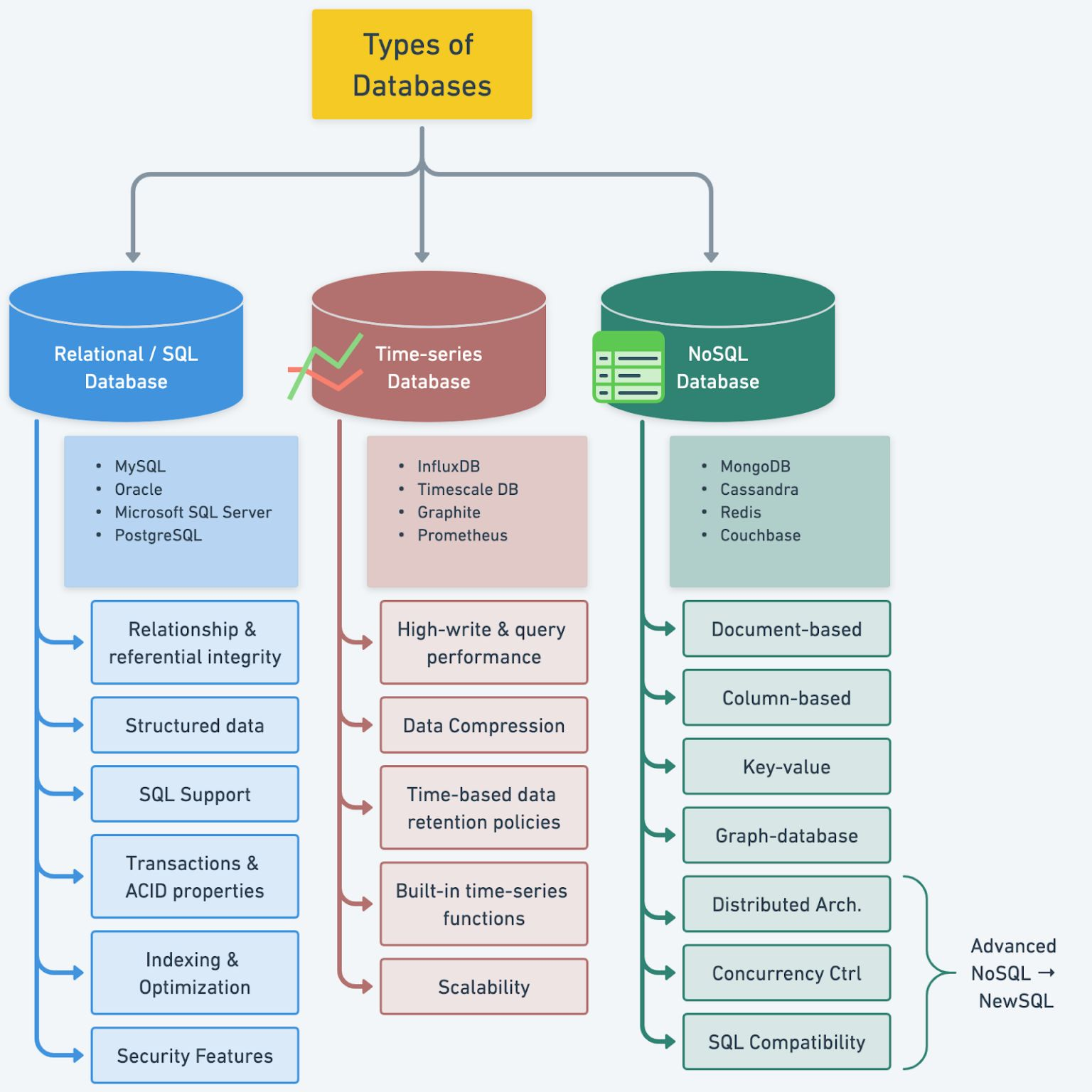
A database is an organized collection of structured data that is stored and managed in a way that allows easy access, retrieval, manipulation, and updating. It typically stores data in tables, rows, and columns, and it can be designed to handle large amounts of data efficiently.
Databases are used to store various types of information, such as customer records, inventory data, transaction details, etc. They ensure that the data is stored in a consistent and structured format to support efficient querying, data integrity, and security.
Key Characteristics of a Database:
- Structured Data: The data is stored in a predefined structure (e.g., relational databases use tables with rows and columns).
- Persistent Storage: The data remains intact even when the system is powered off.
- Efficient Retrieval: Databases are designed for fast access and retrieval of large volumes of data.
- Data Integrity: They enforce rules to ensure data consistency and accuracy (e.g., constraints in relational databases).
- Concurrency: Multiple users can access and modify the database simultaneously, with proper mechanisms to avoid conflicts.
DBMS
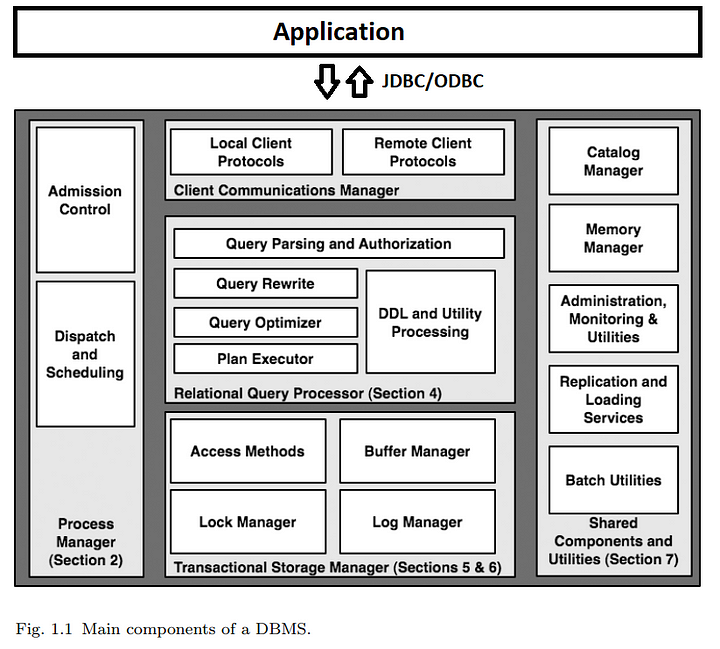
A Database Management System (DBMS) is a software program that is used to manage the database. Additionally, other applications and end-users interact with the database through the DBMS.
In short, a database is the physical container of data, whereas a DBMS (Database Management System) is the software that interacts with the database to manage and manipulate that data.
Database Model Types